Komodo Island Diving Guide: May Holiday Diving Trip
Komodo Island Diving Guide: May Holiday Diving Trip
Best Diving Spots in Komodo with Pristine Tour
10
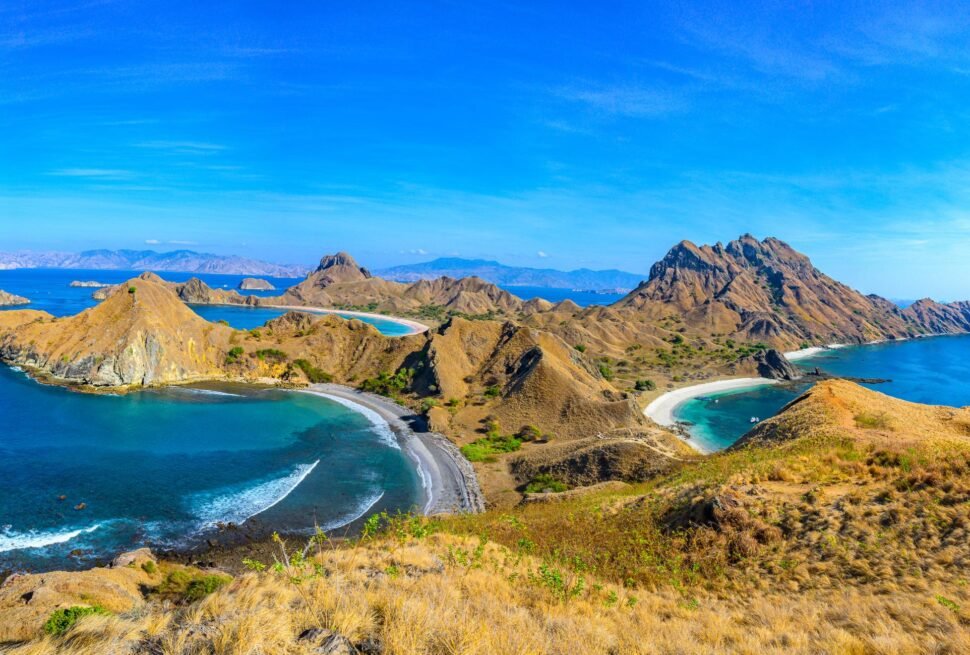
Komodo National Park is one of Indonesia’s most spectacular scuba diving destinations, offering an extraordinary underwater world filled with colourful coral reefs, manta rays, reef sharks, turtles, giant trevallies and countless tropical fish. Located in East Nusa Tenggara, the park is surrounded by some of the richest marine ecosystems in the world, making it a favourite destination for divers seeking adventure and unforgettable underwater experiences.
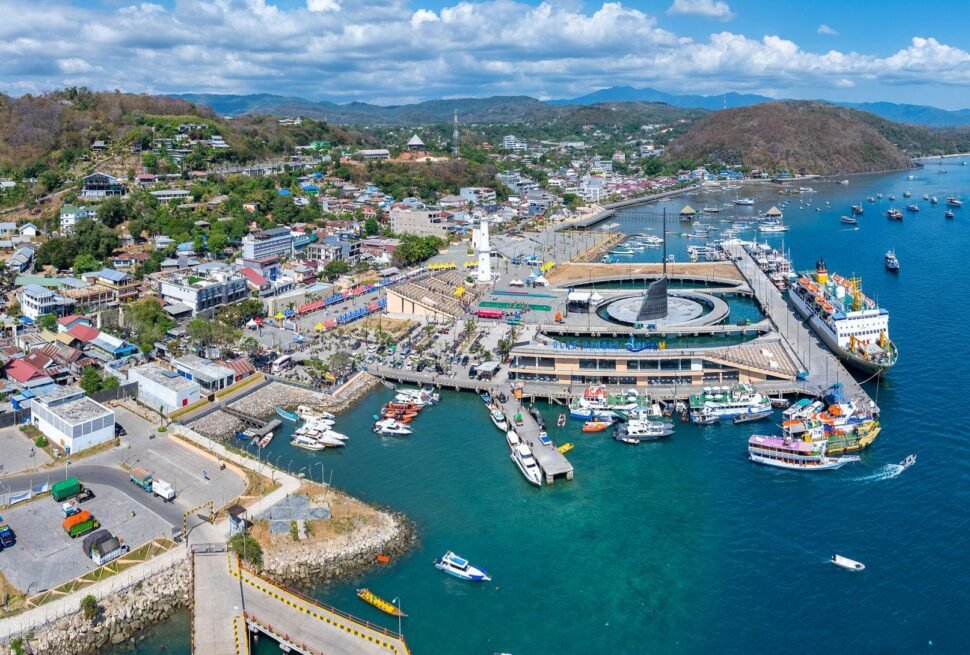
Starting from Labuan Bajo, divers can explore a wide range of dive sites across North, Central and South Komodo. Each region offers different underwater landscapes, from coral gardens and shallow reefs to deep pinnacles, drift dives and thrilling channels with strong currents.
Whether you are an experienced diver looking for challenging dive sites or a beginner wanting to discover Indonesia’s underwater beauty, Komodo National Park offers diving experiences for different skill levels, with appropriate site selection and guidance.
In this guide, discover the best diving experiences, famous dive sites, marine life, diving seasons and practical tips for exploring the underwater world of Komodo.
Why Komodo National Park Is a World-Class Diving Destination
Love at First Site: Editors Recall Their Favorite Dive Sites | Scuba Diving
ラブアンバジョからのコモドダイブリブアボード(オープントリップ) | Klook
12
Komodo National Park is located between the islands of Sumbawa and Flores, within a region influenced by complex ocean currents connecting the Indian Ocean and the Pacific. These currents help bring nutrient-rich water into the area, supporting diverse marine ecosystems.
Here are some reasons why Komodo is a favourite diving destination:
- Exceptional marine biodiversity: Explore coral reefs filled with tropical fish, reef sharks, turtles, manta rays and fascinating macro marine life.
- Diverse diving conditions: From sheltered reefs and shallow coral gardens to challenging drift dives and deep pinnacles.
- Spectacular underwater landscapes: Discover underwater mountains, walls, caves, coral gardens and channels.
- Manta ray encounters: Komodo is well known for manta ray sightings at several dive sites.
- Unique diving experiences: Enjoy reef diving, drift diving, macro photography, night diving and pelagic encounters.
Best Dive Sites in Komodo National Park
Komodo National Park has many outstanding dive sites. The diving conditions can vary considerably depending on tides, currents, weather and the season, so the dive site selection is normally made by the dive operator based on conditions and diver experience.
1. Batu Bolong
Inmersión de NEREN Diving Komodo – BATU BOLONG, KOMODO NATIONAL PARK. Fecha: 04/12/2018
Colorful Coral Reef with Fish in Batu Bolong Komodo
13
Batu Bolong is one of the most famous dive sites in Komodo National Park. This small rocky pinnacle rises above the water and continues underwater into a spectacular reef formation filled with colourful corals and marine life.
The reef is home to an incredible variety of fish, including reef fish, trevallies, reef sharks and turtles. Divers can explore the reef slopes and surrounding underwater formations while enjoying the vibrant coral ecosystem.
Batu Bolong is known for strong currents, so it is generally suitable for experienced divers with good buoyancy and current-management skills, depending on conditions.
- Dive type: Pinnacle and reef diving
- Typical depth: Variable, often explored at approximately 10–30 metres depending on the dive plan
- Marine life: Reef sharks, turtles, trevallies, colourful reef fish and corals
- Level: Generally advanced, depending on conditions
2. Manta Point (Karang Makassar)
Komodo Island Diving Guide: May Holiday Diving Trip
Makassar Reef dive site in Komodo National Park
Underwater Photography Destinations in Indonesia
10
Manta Point Karang Makassar is one of the best-known locations in Komodo for observing manta rays underwater.
The site features a broad reef area with rocky formations, coral patches and sandy sections where manta rays may feed or visit cleaning stations. Divers can sometimes encounter several manta rays swimming nearby, offering unforgettable underwater experiences.
The site is also home to other marine life, including turtles, reef fish and various coral species.
Manta Point is influenced by currents, and divers should always follow their dive guide’s instructions to avoid disturbing manta rays or damaging the reef.
- Dive type: Reef diving
- Typical depth: Approximately 5–20 metres, depending on the dive plan
- Marine life: Manta rays, turtles, reef fish and coral
- Level: Intermediate, depending on conditions
3. Castle Rock
Castle Rock Diving – Neptune Scuba Diving
Diving in Castle Rock in Komodo – Neptune Scuba Diving
Castle Rock Komodo: Haie, Strömungen und Fischschwärme
10
Castle Rock is a spectacular submerged pinnacle in the northern region of Komodo National Park. The site is famous for large schools of fish, reef sharks and exciting underwater action.
Divers may encounter giant trevallies, barracuda, tuna, reef sharks and other pelagic species swimming around the pinnacle. The strong currents can attract large fish and create thrilling drift-diving conditions.
Castle Rock is generally recommended for experienced divers who are comfortable with current conditions and deeper dives.
- Dive type: Pinnacle diving
- Typical depth: Approximately 15–30 metres
- Marine life: Reef sharks, giant trevallies, barracuda and schools of fish
- Level: Advanced
4. Crystal Rock
SCUBA-Divers, School of Ribboned Sweetlips, Komodo National Park, Indonesia
5 of the Best Dive Sites to Visit on a Komodo Yacht Charter | YachtCharterFleet
9
Crystal Rock is another famous northern Komodo dive site, known for its colourful coral formations, clear water and abundant marine life.
The underwater landscape features rocky pinnacles surrounded by coral reefs and schools of fish. Divers may encounter reef sharks, turtles, trevallies and other pelagic species.
The conditions can be challenging when currents are strong, so the dive is best planned according to the experience of the group and the conditions on the day.
- Dive type: Pinnacle and reef diving
- Typical depth: Approximately 10–30 metres
- Marine life: Reef sharks, turtles, trevallies and colourful corals
- Level: Advanced, depending on conditions
5. Siaba Besar
iDIVE Komodo – All You SHOULD Know Before Going 2026 (with Reviews)
Diving in Labuan Bajo: The Best Dive Trips for Every Level | Seek Sophie
4 Terbaik Menyelam di Labuan Bajo (Komodo) pada 2026 | Seek Sophie
9
Siaba Besar is a beautiful diving site known for relatively sheltered conditions, coral reefs and sea turtles.
The site is often suitable for divers seeking a more relaxed underwater experience, depending on conditions. It features shallow reef areas, sandy sections and coral formations where turtles and colourful fish can often be found.
Siaba Besar can be a good choice for beginner divers and underwater photographers looking to explore the reef at a comfortable pace.
- Dive type: Reef diving
- Typical depth: Approximately 5–18 metres
- Marine life: Sea turtles, tropical fish and coral reefs
- Level: Beginner to intermediate, depending on conditions
6. Tatawa Besar
Scuba Dive Tatawa Besar in Komodo
Tatawa Besar Dive Site: Drift Dive with Turtles
Colorful Coral Reef Paradise, Komodo National Park, Indonesia
10
Tatawa Besar is known for its colourful coral reefs and drift-diving opportunities. The reef features beautiful coral formations, tropical fish and a variety of marine life.
Divers can enjoy drifting along the reef while observing fish swimming through the coral gardens. The currents may vary, making it important to follow the dive guide and choose the appropriate route.
Tatawa Besar is often considered one of the enjoyable reef dives in Central Komodo.
- Dive type: Drift and reef diving
- Typical depth: Approximately 10–25 metres
- Marine life: Turtles, reef fish and coral
- Level: Beginner to intermediate, depending on conditions
7. Mawan
Komodo Island Diving Guide: May Holiday Diving Trip
How I unexpectedly ended scuba diving in Komodo
11
Mawan Island is a beautiful island in Komodo National Park with an underwater environment that may attract manta rays.
The dive site features reef areas and sandy patches where manta rays may visit. Divers can enjoy exploring the reef while looking for manta rays, turtles and other marine species.
The currents at Mawan can vary and sometimes become strong, so it is important to dive with an experienced guide who understands local conditions.
- Dive type: Reef diving
- Typical depth: Variable, depending on the dive plan
- Marine life: Manta rays, reef fish and other marine species
- Level: Intermediate, depending on conditions
8. Tatawa Kecil
Buceo Tatawa Kecil – Neptune Scuba Diving
Diving in Tatawa Kecil Indonesia – Divebooker.com
Scubalo | Tatawa Kecil Dive Site in Komodo National Park, Indonesia
8
Tatawa Kecil is a dramatic underwater site featuring rock formations, coral reefs and interesting underwater topography.
Divers can explore rocky structures, swim around reef formations and observe fish moving through the currents. The site can offer exciting diving experiences but may be challenging when currents are strong.
It is generally better suited to experienced divers, depending on conditions.
- Dive type: Reef and pinnacle diving
- Typical depth: Approximately 10–35 metres, depending on the route
- Marine life: Reef fish, coral and larger marine species
- Level: Advanced, depending on conditions
9. Cannibal Rock
Cannibal Rock dive site in Komodo National Park
Miamira flavicostata nudibranch, Komodo, Indonesia
13
Cannibal Rock is a fascinating dive site in the southern region of Komodo National Park, particularly popular with underwater photographers and marine-life enthusiasts.
The site is famous for its rich macro life, colourful corals, sponges, nudibranchs and other fascinating underwater creatures. Divers may also encounter reef fish, turtles and other marine animals.
Cannibal Rock is an excellent destination for divers who enjoy taking their time to explore the smaller details of the reef.
- Dive type: Reef and macro diving
- Typical depth: Approximately 10–30 metres
- Marine life: Nudibranchs, reef fish, sponges and other small marine creatures
- Level: Intermediate, depending on conditions
10. Manta Alley
Komodo Island Diving Guide: May Holiday Diving Trip
Diving in Indonesia | Diving Holidays | RegalDive
9
Manta Alley is a famous dive site in the southern part of Komodo National Park, known for encounters with manta rays.
The site features underwater rock formations, reefs and areas where manta rays may gather. Divers can sometimes observe manta rays gliding through the water or visiting cleaning stations.
The southern region can experience colder water temperatures and changing currents, so divers should prepare accordingly.
- Dive type: Reef diving
- Typical depth: Approximately 10–25 metres
- Marine life: Manta rays, reef fish and other marine species
- Level: Intermediate to advanced, depending on conditions
Marine Life You Can See While Diving in Komodo
حديقة كومودو الوطنية – Indonesia Travel
Turtle and diver over coral reef
Komodo vs Maldivas: guía comparativa honesta 2026 – Komodo Resort
10
Komodo National Park is home to an extraordinary variety of marine life. Depending on the dive site, season and underwater conditions, divers may encounter:
- Manta rays: Giant graceful rays swimming above reef cleaning stations and feeding areas.
- Reef sharks: White-tip and black-tip reef sharks patrolling reef slopes.
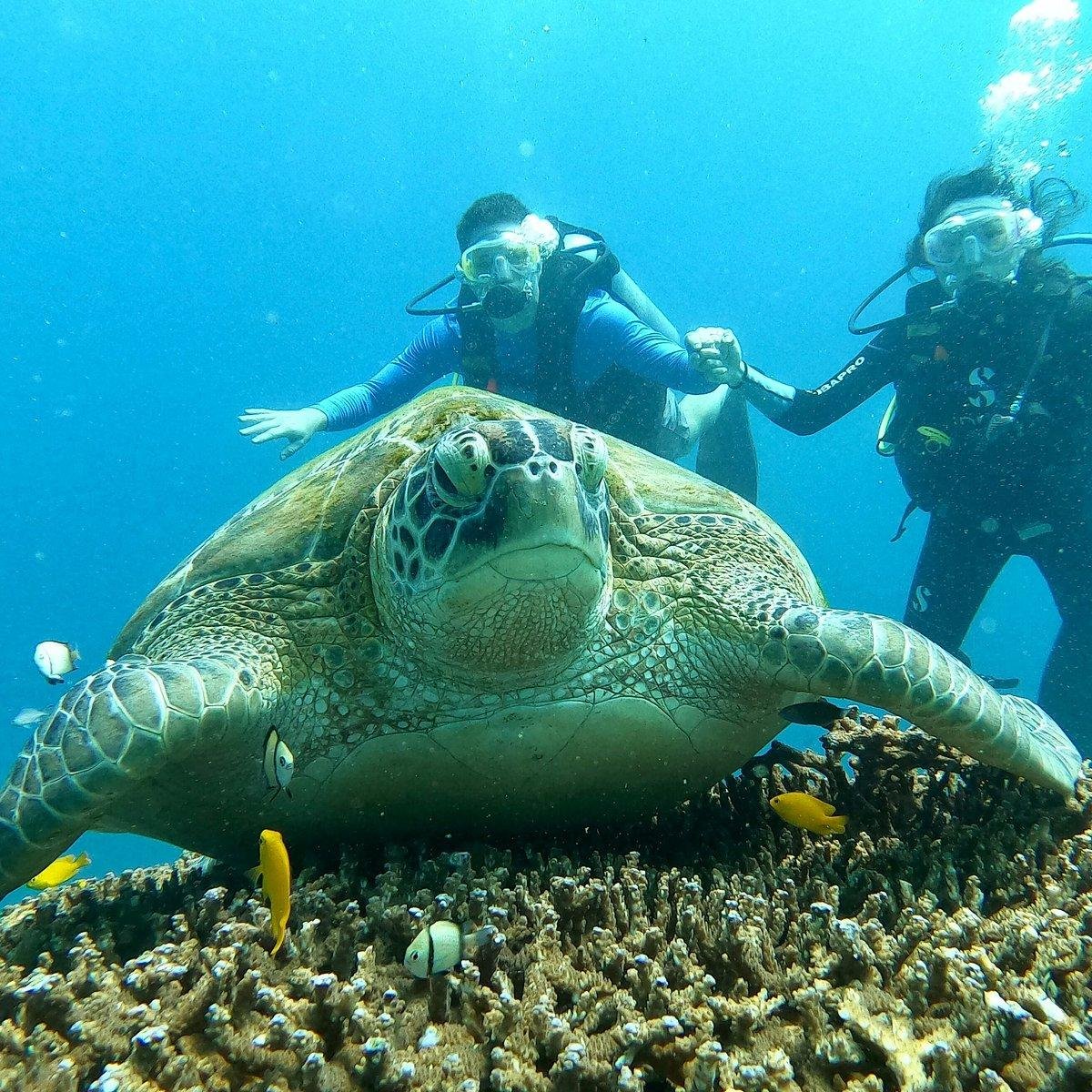
- Sea turtles: Green turtles and hawksbill turtles resting or feeding around coral reefs.
- Giant trevallies: Powerful fish often seen hunting around pinnacles and channels.
- Barracuda: Large schools or individual barracuda swimming through the blue.
- Nudibranchs: Colourful sea slugs popular with macro photographers.
- Pygmy seahorses: Tiny marine creatures found on suitable coral habitats.
- Frogfish and scorpionfish: Fascinating species that camouflage themselves among reef structures.
- Coral reefs: Hard corals, soft corals, sponges and other reef organisms supporting diverse marine ecosystems.
Diving Regions in Komodo National Park
Batu Bolong Diving – Neptune Scuba Diving
12
Komodo National Park is commonly divided into three broad diving regions. Each region has different underwater landscapes, conditions and marine-life opportunities.
North Komodo
North Komodo is famous for exciting drift dives, underwater pinnacles, schools of fish and pelagic encounters. Many sites in this region experience strong currents.
Popular dive sites include:
- Castle Rock
- Crystal Rock
- The Lighthouse
- Gili Lawa Darat
- Golden Passage
The northern region often appeals to experienced divers who enjoy challenging dives and large marine-life encounters.
Central Komodo
Central Komodo offers a wide variety of dive sites, including coral gardens, reef slopes, pinnacles, sandy areas and manta ray locations.
Popular dive sites include:
- Batu Bolong
- Manta Point (Karang Makassar)
- Tatawa Besar
- Tatawa Kecil
- Siaba Besar
- Siaba Kecil
- Taka Makassar
- Sebayur
Central Komodo offers dive sites with varying difficulty levels, including some relatively sheltered locations and others with strong currents.
South Komodo
South Komodo features dramatic underwater landscapes, rocky reefs, colourful coral formations and exciting marine-life encounters. Some southern dive sites can experience colder water, stronger currents and more challenging conditions.
Popular dive sites include:
- Manta Alley
- Cannibal Rock
- Three Sisters
- Nusa Kode
- Yellow Wall
- Langkoi Rock
Southern Komodo is often explored on longer boat trips because reaching some dive sites may require more travel time and suitable weather conditions.
Best Time for Diving in Komodo National Park
Komodo National Park can be dived throughout much of the year, although conditions vary between regions and seasons.
- April to June: Often a pleasant period for diving, with changing visibility and generally favourable conditions in many areas.
- July to August: Popular months for diving and tourism, although conditions can vary between northern, central and southern sites.
- September to November: Often a favourable period for diving, depending on weather, currents and the selected region.
- December to March: Weather conditions may be less predictable, particularly for boat travel, but diving can still be possible when conditions allow.
There is no single season that guarantees the best conditions at every dive site in Komodo. Currents, visibility, temperature and marine-life encounters can change from day to day.
How to Explore Komodo Diving
Komodo’s Currents: How To Dive Them While Staying Safe
Explore Komodo National Park with Capoeng
Siti di immersione di Komodo: Nord, Centro e Sud – Komodo Resort – Komodo Resort
10
There are several ways to explore the underwater world of Komodo National Park.
1. Diving Day Trips from Labuan Bajo
Daily diving trips from Labuan Bajo are a convenient option for travellers staying in hotels or guesthouses. Dive operators usually organise boat trips with multiple dives during the day, depending on the itinerary, conditions and dive sites.
This option is suitable for divers who prefer returning to Labuan Bajo after diving rather than sleeping onboard a boat.
2. Komodo Diving Liveaboard
A liveaboard diving trip is one of the best ways to explore more remote dive sites throughout Komodo National Park.
During a multi-day diving trip, divers can visit different regions of the park, enjoy several dives per day and spend nights onboard a diving boat.
Liveaboard trips are particularly useful for exploring southern Komodo and more remote dive sites that may be difficult to reach on a daily trip from Labuan Bajo.
3. Private Diving Trip
A private diving trip may be suitable for divers who want a more flexible itinerary, private boat arrangements or a personalised diving experience.
The itinerary can be adjusted according to the group’s experience, preferred dive sites, weather conditions and budget.
Diving Safety in Komodo National Park
Komodo’s Currents: How To Dive Them While Staying Safe
Seahorse liveaboard diving in Raja Ampat and Komodo – Book now !
12
Komodo National Park is an incredible diving destination, but the currents can be challenging and sometimes unpredictable. Safety should always be the priority.
- Dive with a reputable and experienced dive operator.
- Choose dive sites suitable for your certification, experience and comfort level.
- Follow the dive guide’s instructions and current-management procedures.
- Use appropriate safety equipment, including a surface marker buoy (SMB) when recommended or required.
- Maintain good buoyancy control to avoid damaging coral reefs.
- Never touch, chase or feed marine animals.
- Avoid diving beyond your certification and experience.
- Follow your dive plan, depth limits and no-decompression limits.
- Ensure adequate surface intervals and plan your dives conservatively before flying.
Frequently Asked Questions About Komodo Diving
Is Komodo National Park good for scuba diving?
Yes. Komodo National Park is one of Indonesia’s most remarkable scuba diving destinations, with diverse coral reefs, manta rays, reef sharks, sea turtles, schools of fish and spectacular underwater landscapes.
Can beginners dive in Komodo?
Yes. Beginners can dive in Komodo at suitable dive sites under the supervision of qualified instructors. However, not all dive sites are appropriate for beginners because of strong currents, depth and other conditions.
Do I need an advanced diving certification to dive in Komodo?
Not necessarily. Some dive sites are suitable for beginners and open-water certified divers, while others are better suited to advanced divers with experience in currents and deeper diving.
Can I see manta rays in Komodo?
Yes. Manta rays are frequently encountered at several dive sites in Komodo National Park, including Manta Point and Manta Alley, although sightings are never guaranteed.
How many days should I spend diving in Komodo?
For a diving day trip, you can experience several dives in one day. However, a 3–5 day diving trip or liveaboard is recommended if you want to explore more dive sites across different regions of Komodo National Park.
Where can I start a Komodo diving trip?
Most diving trips in Komodo National Park start from Labuan Bajo, Flores, Indonesia. Labuan Bajo is the main gateway to the national park and offers diving day trips, liveaboard tours and diving services.
Conclusion
Love at First Site: Editors Recall Their Favorite Dive Sites | Scuba Diving
Batu Bolong Diving – Neptune Scuba Diving
15
Komodo National Park is a spectacular destination for scuba diving, offering a combination of vibrant coral reefs, manta rays, reef sharks, sea turtles, pelagic fish and extraordinary underwater landscapes.
From the famous Batu Bolong pinnacle and manta ray encounters at Manta Point to the macro life of Cannibal Rock and the thrilling currents of Castle Rock, Komodo offers an incredible variety of underwater experiences.
Whether you are planning a diving day trip from Labuan Bajo or a multi-day liveaboard adventure, exploring the underwater world of Komodo National Park is an experience that every diving enthusiast should consider.